ESA Highlights the Science Behind Europe's Total Solar Eclipses of 2026-2028
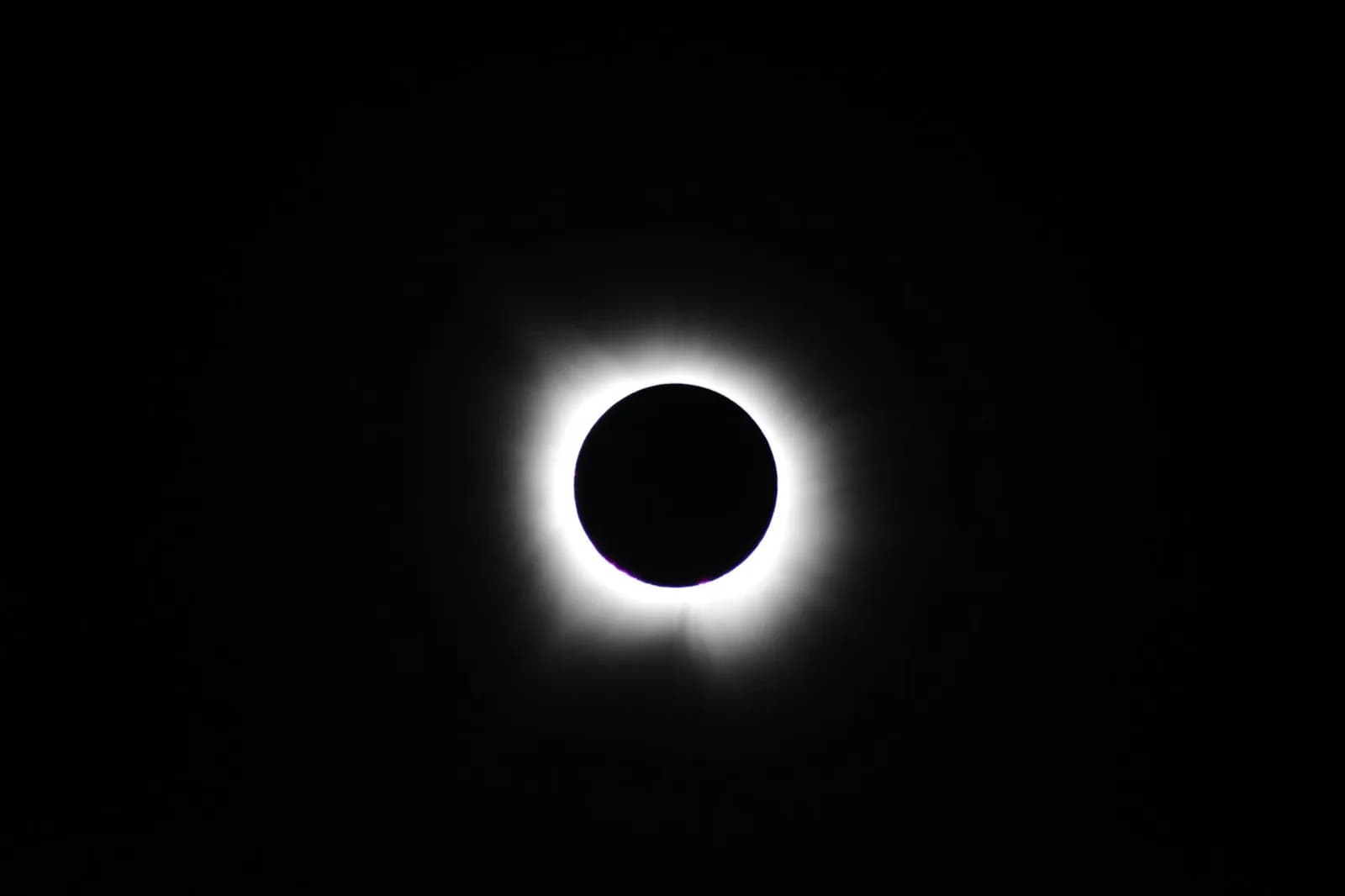
The European Space Agency has released a video explaining how eclipses occur and why totality is rare, ahead of three eclipses set to cross Europe between 2026 and 2028.

AfroEuropa Newsroom
AfroEuropa desk
The European Space Agency (ESA) has published a video examining how solar and lunar eclipses take place and what makes a total solar eclipse a rare event.
The roughly seven-minute feature explains why totality is uncommon and covers the phenomenon from historical accounts through to current scientific study. According to ESA, a total solar eclipse is said to have brought an end to a conflict between the Lydians and the Medes more than 2,500 years ago. The agency notes that, although the mechanics of eclipses are now understood, observing one directly remains a striking experience.
Keep reading
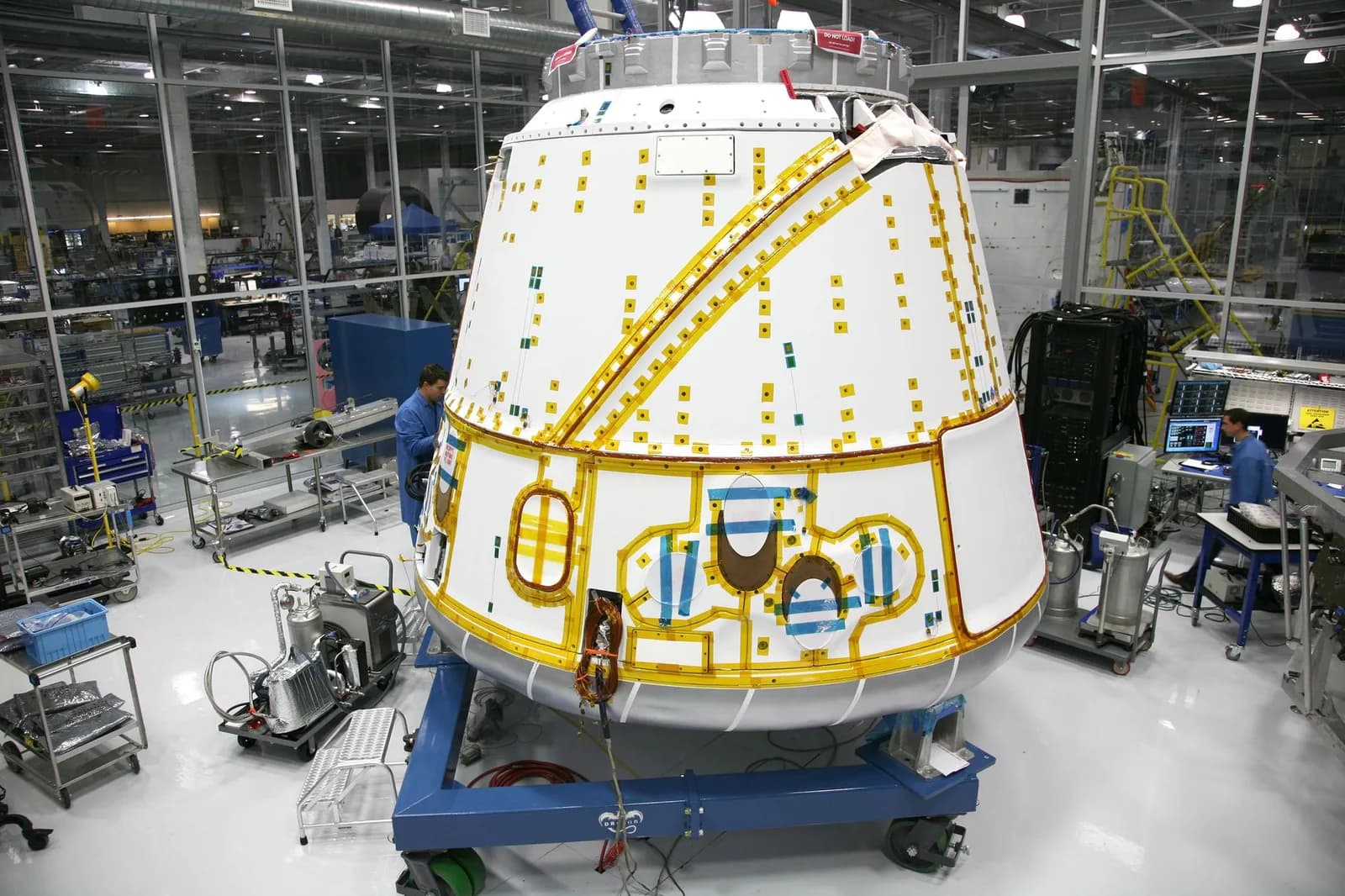
Open Cosmos Raises €300M to Grow Satellite Manufacturing and Services
The European satellite company plans to expand production and speed up the rollout of its connectivity and Earth observation offerings.
Other highlights

Crypto Stocks Fall After Senate Declines to Advance Clarity Act
Shares of Coinbase, Circle and Galaxy dropped after the U.S. Senate failed to move forward a crypto market structure bill.
Follow the story
One newsletter, two continents
The Bridge brings you the tech, startups, and leaders moving between Africa and Europe in one sharp email each morning. No spam, unsubscribe anytime.